Muscle pain after massages - what are the reasons and how can you avoid them?
Practiced for thousands of years, massages are one of the oldest forms of medical therapy in the world. Tui Na is the oldest documented massage technique. It comes from traditional China, around the 2nd century BC. Various massage techniques have gradually developed independently around the world and all have had the same goal: when used correctly, they allow us to relax both mentally and physically and to recharge our batteries. However, muscle pain occasionally occurs after massages and there are various causes for this. Today we would like to take a closer look at what they are, how you can...

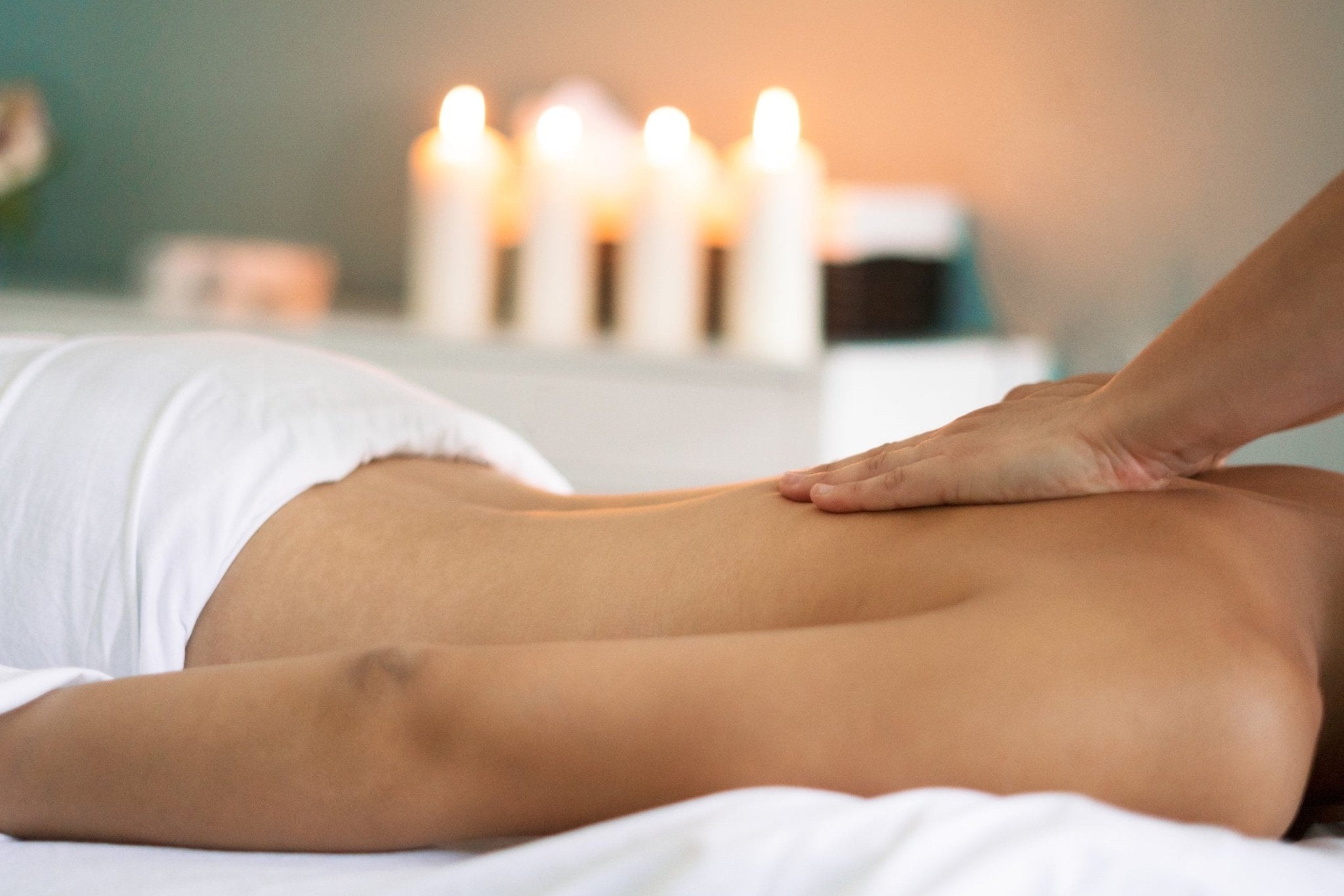
Practiced for thousands of years, massages are one of the oldest forms of medical therapy in the world. Tui Na is the oldest documented massage technique. It comes from traditional China, around the 2nd century BC. Various massage techniques have gradually developed independently around the world and all have had the same goal: when used correctly, they allow us to relax both mentally and physically and to recharge our batteries.
However, muscle pain occasionally occurs after massages and there are various causes for this. Today we would like to take a closer look at what they are, how you can avoid them and whether they are cause for concern.
Reading tip: From head to toe: This is how massages help
Why can muscle pain occur after massages?
We go for a massage to relieve existing pain, relieve tension or simply to do something good for ourselves holistically. However, if you are instead confronted with pain following a massage treatment, you can understandably feel worried. Don't worry, this is usually a natural reaction of the body that can occur especially with manual therapies, but why?
This is usually an initial exacerbation. This refers to a reaction to the actual treatment, which can worsen existing symptoms in the short term or also affect neighboring regions. One reason for this may be that different parts of the body react differently to the pressure of the treatment. This also explains why manual massages more often achieve this effect, as it is difficult for even experienced masseurs to maintain constant pressure across different areas of the body with their hands.
The intensity of the pain itself can also vary. Some people may only feel a slight pulling or burning sensation in their muscles, while others may experience severe muscle soreness with dizziness, fatigue, or even discomfort. Basically it is a form of the well-known muscle soreness.
The good news: The initial aggravation usually subsides after one to three days and particularly affects people who have not had any massages before, which is why intuitively it is rarely perceived as such, but rather as another type of pain.
In addition to the classic sore muscles, there are other reasons for pain that can occur after a massage.
- Stimulation of the tissue: Massages can cause the body to expel pollutants from the tissues, which can cause temporary pain. This happens by promoting blood circulation, but can also be achieved specifically through lymphatic drainage.
- Artificially induced inflammation: Kneading the muscles can simulate inflammation when overused, to which the body reacts with an inflammatory reaction.
- Compensatory tensions: If one muscle group is tense, it may be that neighboring muscles also experience tension, so to speak to create equilibrium or compensation. Releasing tension can lead to new feelings of tension before the muscles relax completely in the long term. Our movement patterns can also change slightly when existing tensions disappear, which in turn can lead to increased strain on surrounding muscle groups.
-
Contraindication: Depending on your health condition, massages may not be recommended as they can lead to undesirable symptoms. Consultation with medical professionals is therefore recommended in the following cases: acute injuries, fever and Infectious diseases, skin diseases, during pregnancy, with osteoporosis, severe heart problems or even thrombosis and blood clotting disorders.
More pain after the massage than before – what can you do?
Overall, there are many reasons why discomfort can occur after a massage and these are often a natural reaction of the body to the treatment. However, if in doubt, you should always consult a doctor. As a rule, any pain that occurs can be easily managed with simple measures.
What helps against massage pain?
Since the main cause of the symptoms here is similar to muscle soreness, the treatment is almost identical. Here are some tips for relief:
- Drink enough water: Before and after the massage, you should drink enough water to keep your muscles hydrated. This promotes the removal of harmful substances from your body.
- Warm baths: A warm bath with Epsom salts can help relieve pain and reduce inflammation. The warm water increases blood circulation, which helps relieve muscle tension. Epsom salt, on the other hand, contains magnesium sulfate, which is absorbed through the skin and can relieve muscle spasms. It may also have anti-inflammatory effects by reducing swelling and relieving pain.
- Sufficient rest and sleep: After the massage, you should give your body enough rest and sleep, this speeds up regeneration.
- Gentle stretching exercises: They can relax the muscles and promote blood circulation. It is important to keep the intensity low, as a sore muscle has usually already been overused.
- Circulation-promoting creams: If the pain is severe, creams that promote blood circulation can provide relief.
If the symptoms do not improve after a few days, medical advice should be sought as there may be a contraindication.
How massage chairs can reduce the risk of pain after massages
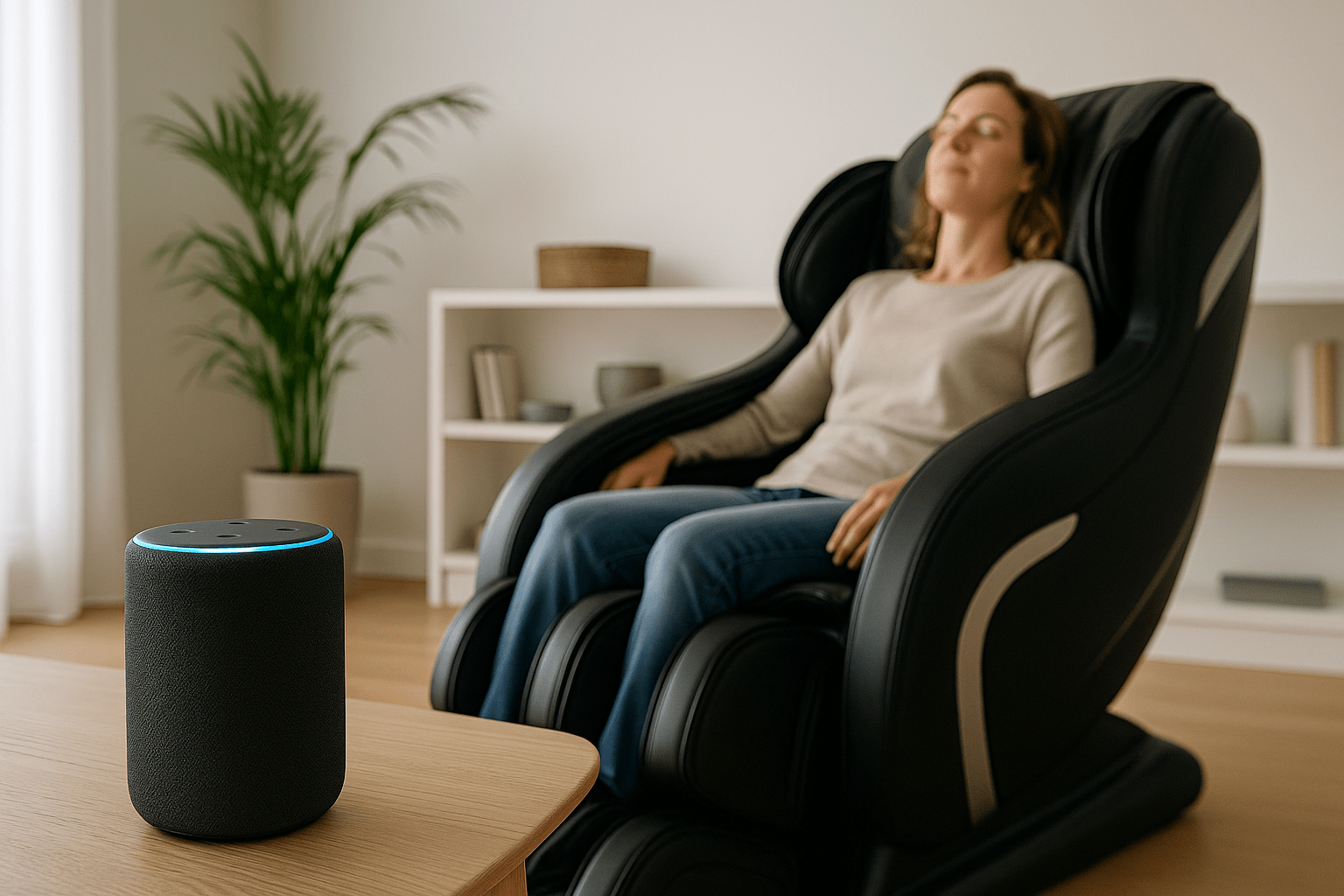
Massage chairs can help prevent and relieve pain after massages. These chairs offer targeted massages and can relax muscles and stimulate your regeneration and blood circulation. They are clearly a good option if you regularly suffer from muscle tension.
One of the most important factors in preventing massage discomfort is the consistent pressure. Massage chairs provide consistent pressure, which is difficult to achieve when performing a massage by hand. This can help relieve deep-seated tension without putting too much pressure on sensitive regions. This in turn reduces the risk of muscle pain after a massage treatment.
Individual intensity setting options are now also one of the standard functions of massage chairs. This way you can ensure that the massage is performed just right for you and that your muscles are not overstrained by the treatment, which also avoids unwanted effects after the massage.
Reading tip: How effective are massages really?
In general, the regeneration time can be shortened using gentle massage chair programs. They aim for holistic well-being, with individual intensity and the desired body regions. As a rule, even if you experience pain after manual massages, a relaxation program in a massage chair can provide relief. Completely relaxed in your own four walls and exactly when you want it.
Raise awareness and enjoy massages pain-free
If you know the causes and mechanisms that can lead to occasional pain after massages, you can prepare yourself. Such side effects should not stop you from enjoying all the relaxing benefits of this form of therapy; instead, it is important to eliminate the risks involved.
Wellness and physical well-being are the main goals of a massage. With the right pain relief measures and the option to use massage chairs preventatively, you can ensure that you only experience the positive effects of the treatment, without any pain.
Experience pure relaxation, stress reduction and general well-being through soothing massages, just like people before you have been doing for 2000 years. You don't have to go to China for that.
Mitgründer und Geschäftsführer der Massagesessel Welt. Mit seinem Expertenwissen und seiner Branchenkenntnis hilft er, Privatpersonen und Unternehmen zu passenden Massagesessels für Entspannung, Gesundheit und Vitalität zu finden. Die individuelle Fachberatung erfolgt sowohl telefonisch oder per Videochat, als auch in der Ausstellung vor den Toren Stuttgarts.